
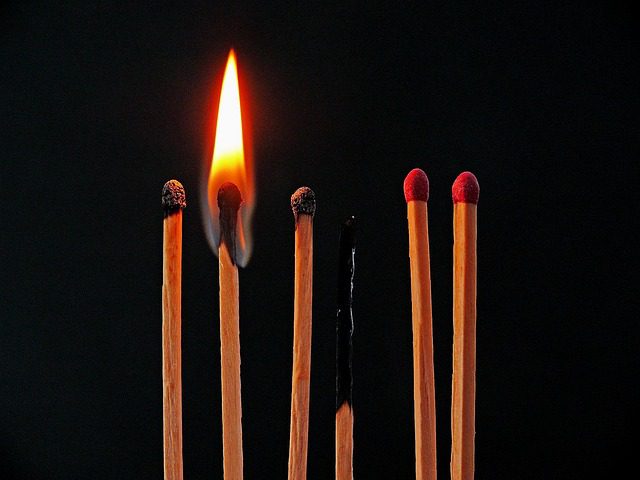
This month we’re launching a new five-part series—Presenting Problems—exploring some of the core challenges we help people address at High Meadow Retreat. We’ll look at five key issues, starting with burnout. We’ll then examine trauma, team conflict, marriage difficulties and depression/anxiety.
Burnout is one of those terms we hear so often today that it can be hard to pin down exactly what we mean. At its core, burnout describes a state of ongoing fatigue—especially at work—caused by prolonged stress, leaving us feeling drained and struggling to keep up. The term first appeared in the 1970s, and by the 1980s, experts had refined it to focus on three key signs: feeling exhausted, losing empathy for others, and struggling to feel effective or accomplished.
As a psychological syndrome, we know of course that people in the 1970s were not the first to experience it. In the Bible, we read in 1 Kings of Elijah’s emotional, physical and spiritual exhaustion after a period of intense ministry. Earlier in Exodus 18, some commentators have argued that Moses’ father-in-law, Jethro, is warning him about what we would now call burnout, saying, “What you are doing is not good. You and these people who come to you will only wear yourselves out. The work is too heavy for you; you cannot handle it alone.”
And although Scripture is full of encouragements to work hard and persevere, the Psalmist warns against the dangers of “anxious toil” (Psalm 127: 2). In the Middle Ages, early monastic writings coined the term “acedia” to describe a spiritual listlessness or sloth that left monks weary and disengaged.
People in caring professions, such as doctors, nurses, teachers and church ministers, are especially vulnerable to burnout. These roles often carry high demands, limited resources and a constant pressure to give more than they receive, making it difficult to sustain long-term wellbeing. (For more on this, see our blog post “Why we do what we do.”)
What can be done?
The good news is that burnout is fully reversible. Studies have shown that most people who believe they have completely burned out are, in fact, much earlier in the process of burning out than they realise —and still have the capacity to make the changes needed to shift direction. For those who have experienced a complete breakdown, recovery is still possible, but it may require a more radical reset. There is of course no single solution, but in terms of recovery, we can identify three key areas that are essential to address.
The first is to deal with external issues. This can involve a number of steps, including identifying and mapping key stress triggers, setting clearer boundaries, sharing the load, redesigning routines and systems, and creating regular protected recovery time.
The second area is attending to personal stress. We probably all know what we should eat well, exercise regularly and get enough sleep, but it can be difficult to implement sustainable daily rhythms. Gradual, realistic changes and the formation of regular small habits tend to be the best way forward.
The third area is often the most difficult to address, as it involves looking at the parts of our own personality that make us more susceptible to burnout.
At High Meadow, we structure our services to address all of these areas. In our debriefing sessions, guests have the chance to tell their story, tracing how stressors built up over time and affected both their work and their relationships. In counselling, we create a safe space to explore the emotional impact of these experiences, uncovering and processing predisposing factors like perfectionism and often deeper, underlying feelings of shame. Finally, in coaching, our guests have the chance to map out realistic and sustainable action plans for the changes they would like to make in their lives and their work.
Keys to recovery
The road to recovery from burnout can be long, but with the right support, it is always possible. Christopher Ash’s excellent little book, “Zeal without Burnout” reminds us of four essential needs for that process: good sleep, regular Sabbath rest, supportive relationships to share the load and spiritual nourishment to renew the soul.
He warns against becoming “proud loners” who seek admiration and adoration instead of nourishing relationships. He also points out that the Lord does not need us to do his work, which can free us to delight in his grace, not in our performance. Here at High Meadow Retreat, we are so grateful for the privilege of helping weary and burned-out workers move towards this goal.